The old Common
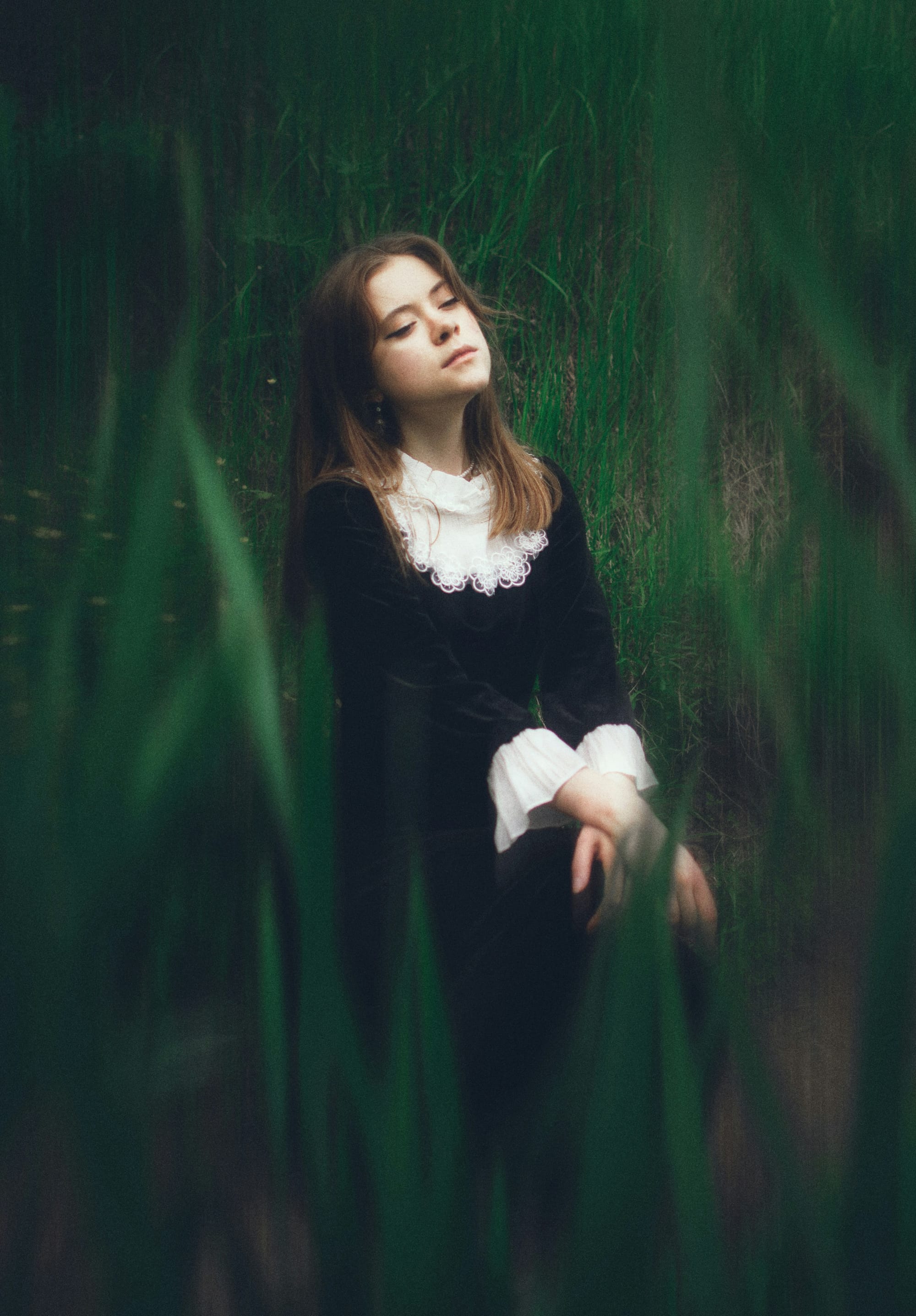
Her eyes roamed beneath optimistic skin. Light bubbled like an oil slick above the
steaming marsh, and whenever she lifted from her prone position to observe what lay beyond the ferns, a new bird was always resting on the angular carcass of an Alder.
Her forefathers had amputated the habitat. Where Willows and Poplars had once
shared space with the brush, iron claws had carved abscesses and let rot seep into the soil.
The girl pressed her palms into the ground. She clenched her fingers and let the dirt crumble into her cuticles. Her Mother had told her that you listen better when you block out the other senses. She closed her eyes. The Earth shook. A root by her forefinger receded. A reed under her calf wept. Where warmth had embraced her skin, icy shards now poked her calluses. She removed her hands, brought them back up to her chest, and then, she herself, started to wilt.
A crow grew restless of his perch on the Alder. As snakes embroidered the bark
leading to his position, he let his wings flutter with excitement. They rarely left the cover of the grass, but here, in plain view of the marsh, they were reclaiming healing ground. Past an outcropping in the north, lush green was blooming. It was not so long ago that impenetrable claws were striking homes, killing friends, and burrowing into the ground until it reached an ocean of equally impenetrable black. The crow had flown overhead. Where clear wind would usually glide under his wings, smooth and agile, something dark had poisoned it. Grit bristled the underside of his feathers, tar stuck to his claws. He’d seen dark clouds before. The
cresting of a storm. But where rain would gracefully slick over him, this darkness was sticky and violent. His friends never went near clouds again. If this is what they’ve become, they’re nothing but a suffocating film.
The crow flew eastward, letting a Yellow Rail take his place. She was weighted and
bulbous. Despite standing, her stomach bulged around the bark beneath. She hadn’t spoken in days. There was nobody who would listen. The pain she carried was as real and visceral as everyone else’s, but her forgiveness was unforgivable. Their land was abused. But the Yellow Rail, watching the humans leave, and then replanting what they took, was left feeling sympathetic. In the ferns, she saw the stalks rustle. The girl, the human, she was back. Her ear pricked. A thundering click bounced across the meadow; a theme tune written on mandolins. She recognised it in an instant, the familiar call of the rain-drop shaped bird. On the Alder, there it sat, staring directly at her. Where the other animals ran, this bird doted on the girl like a mother. Some days, they’d sit next to one another, and the girl, reminded of her humanity in the conservatory of her home, felt the animal within her in the meadow. And the bird, privy to tumbling around the defunct fracking ground, started to attempt syllables in her throat.
Through paralysing frost, the meadow hung in impatient stasis. The water had frozen over; the sun had turned harsh and laser-like; where warmth once basked the Linear-lanceolate, a clinical spotlight now glazed the hardened brush.
The girl, huddled under a red coat, crunched the crisp soil. The crow circled over her head. Its black outline scarred the overexposed sky, and the girl felt supremely aware of her stitched clothing, the polyester in her jacket, and the rubber on her wellies. Her eyes grew weary in her skull. They’d watched the seasons churn the ground into mush, then into impenetrable bedrock, then back to mush again. In the safety of her nest in the ferns, she laid bare, starkly naked, and let moss stain her body green. The capillaries in her fingertips bulged with wooden roots; the pupils of her eyes bloomed into buttercups. She let herself sink. A voice cricketed from the marsh: Everyone will one day, upon their passing, experience the bliss of rebirth. A new mother. A new home. She wanted to tell everyone what she had discovered, but before the beating of her heart could grow into thumping birdsong, the Yellow Rail landed on her fingernail. Its claws peppered across her skin, made its way up her forearm, before coming to rest on her ribs.
They spoke briefly, about the sky, the arrival of the iron claw, and whatever else
friends discuss on sunny afternoons. The girl went home. She ate from the porcelain plates in her kitchen, drank from the delicate China her Mum had imported, and decided that, whilst she will never breathe in the same way the meadow does, they do, at least, breathe the same air.
Noah Page